
Machinery & Forklifts in Moruya
Machinery & Forklift Training Made Easy
Learning how to operate machinery or forklifts is a big step toward safer work and better job opportunities, and Des’s Driving School brings accessible training to customers right here in Moruya. With years of experience in machinery and forklift instruction, we offer a steady and practical approach that helps learners feel confident from the very beginning.
Our team supports locals who need skills for construction, warehousing, earthmoving or general workplace requirements. Training covers everything from basic machine control to pre-start checks, load shifting, safe manoeuvring and practical decision making on the job. We break down each task in a simple, everyday way so learners can understand how machines behave and how to operate them safely.
People in Moruya choose us because we’re approachable, experienced and focused on helping learners gain real skills that transfer directly to their workplace. Each session is delivered with patience and clear guidance, making it easier to build ability at a pace that feels right for you.
If you’re ready to learn machinery or forklift operation in Moruya, call (02) 4446 6861 to book your training.
Enquire Now in Moruya
Thank you for contacting Des's Driving School.
We will get back to you as soon as possible.
Oops, there was an error sending your message.
Please try again later.
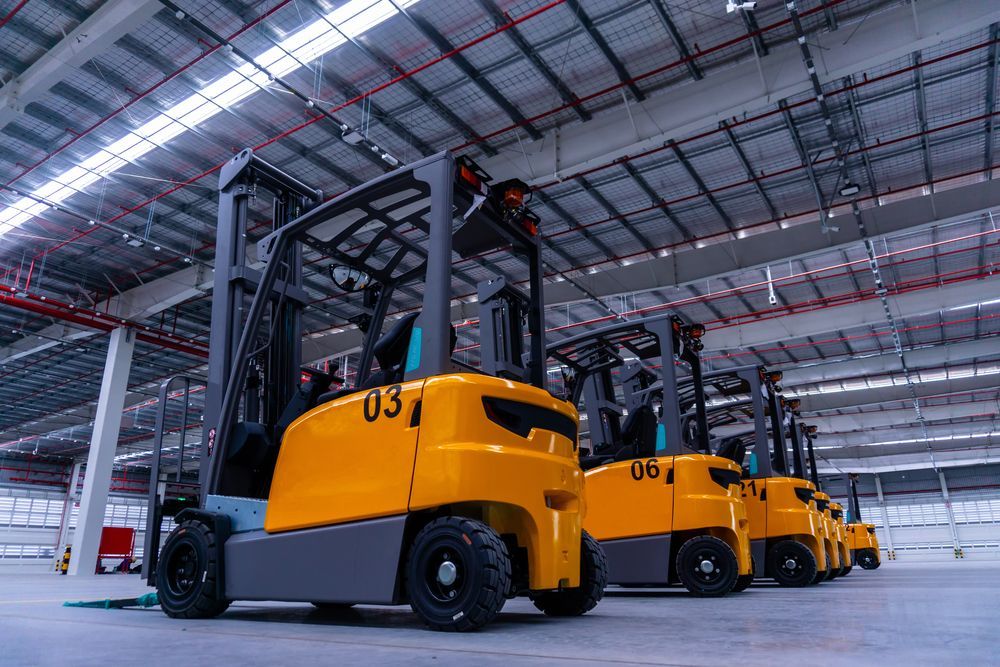
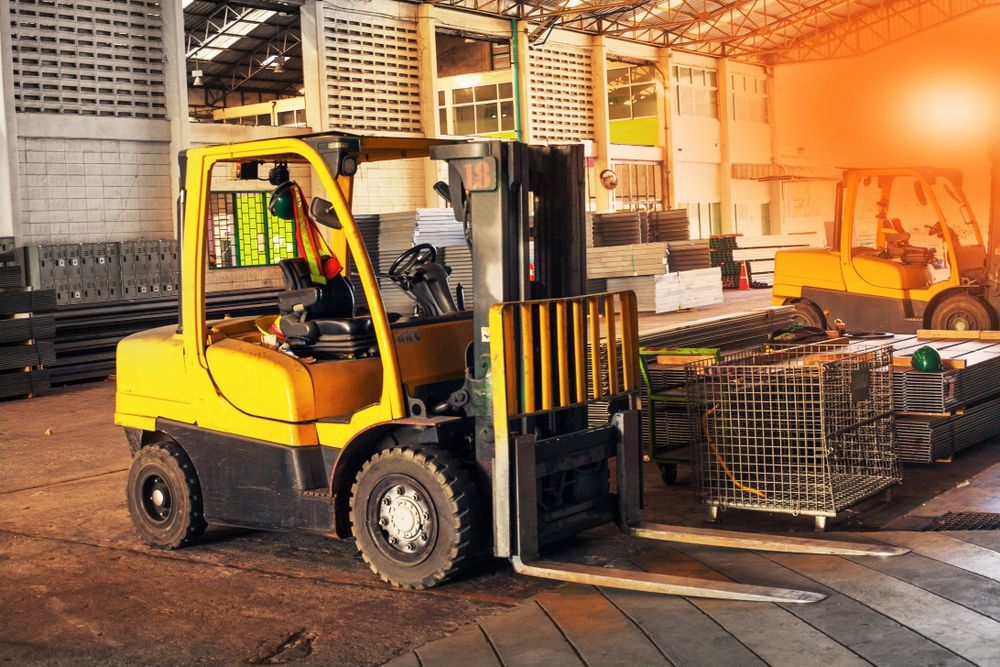
Helping Operators Build Real Skill
Machinery and forklift training in Moruya gives learners the chance to build confidence in a supportive environment while learning skills that matter every day at work. Training sessions introduce practical tasks like equipment setup, load management, safe turning and hazard awareness so learners can understand what to expect in real job situations. Each machine reacts differently, and our training helps learners recognise these behaviours and respond safely.
We focus on clear instruction, steady hands-on practice and a relaxed environment that encourages learners to ask questions and learn at their own pace. This approach helps people understand not just how to operate machinery, but why each step matters.
The sessions include everything from operating a forklift safely in tight spaces to understanding machine attachments and basic maintenance. By learning in Moruya, learners also become familiar with the type of work environments they may face locally. This supportive, practical style of training helps ensure learners walk away feeling capable, prepared and ready to apply their new skills.
Frequently Asked Questions
What licence do I need to operate a forklift in Australia?
To operate a forklift legally in Australia, a High Risk Work Licence (HRW) is required, issued by the state or territory safety authority. There are two main classes: LF, which covers standard counterbalance forklifts and LO, which covers order picking forklifts. To get this licence, learners must complete approved training, pass a written knowledge test and complete a practical assessment that demonstrates safe operation. Applicants must be at least 18 years old and provide the correct identification. Once approved, the licence is recognised nationally, allowing operators to work across a wide range of industries.
What machinery can I operate without a formal licence?
Some machinery types do not require a High Risk Work Licence, although training is strongly recommended for safety and employment purposes. Common examples include excavators, skid steers, front-end loaders, rollers and graders. Even when a licence is not mandatory, many worksites require proof of competency through accredited training or internal assessments. Operators must also understand site rules, induction requirements and safe work procedures. Training helps operators understand machine controls, load capacity, stability, ground conditions and general safety measures needed to avoid accidents.
What skills are important for safe forklift and machinery operation?
Safe operation requires a combination of practical skill, hazard awareness and understanding how the machine functions. Operators should be able to perform pre-start checks, recognise load limits, maintain stability and navigate tight spaces safely. Good visibility and awareness of blind spots are essential in busy work areas. Operators also need to understand how different ground surfaces affect machine behaviour. Training teaches safe lifting techniques, controlled manoeuvring, correct attachment use and how to respond to hazards. Building these skills helps create safer workplaces and reduces the chance of injuries or equipment damage.